Ventilator
5 models from Inovytec, Amoul
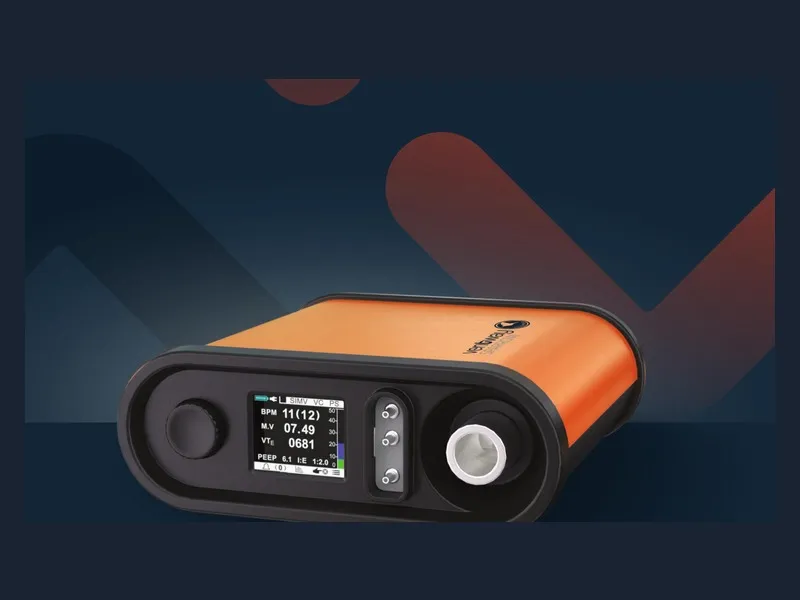
Thunder Venture Group distributes ventilators covering ICU, EMS, and field use. Our range includes the Inovytec Ventway Sparrow — weighing only 1.3 kg, the lightest in its class — with MRI-compatible and military-grade variants, plus Amoul ICU and transport ventilators. All models are IEC 60601 and CE certified. Contact our team for ventilator pricing and specifications.
All Ventilators
Choosing a ventilator: start with the setting
A ventilator that is right for an ICU bed is rarely the right one for an ambulance, and the reverse is also true. The quickest way to narrow the choice is to start with where the device will spend most of its working life, then compare ventilation modes, patient range and power.
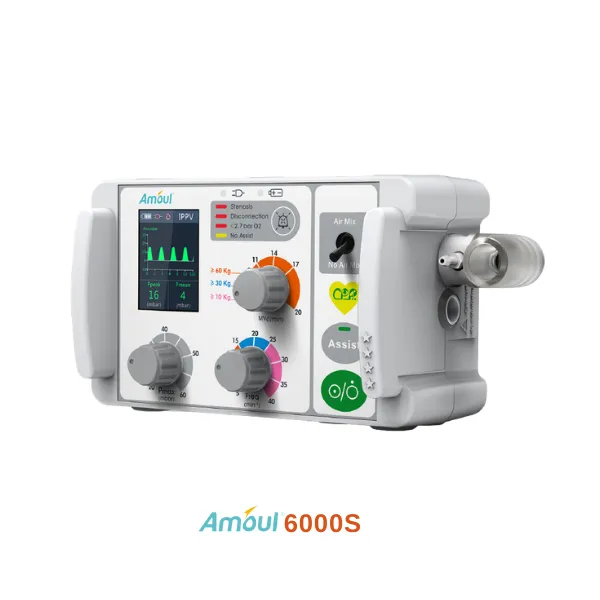
ICU and step-down units: the priorities are a full set of ventilation modes, a large screen with real-time waveforms, and lung mechanics data the care team can follow through a shift. The Amoul 6000S is built for this setting, with VCV, PCV, SIMV, CPAP and BiLevel modes for adult and pediatric patients on a touchscreen.
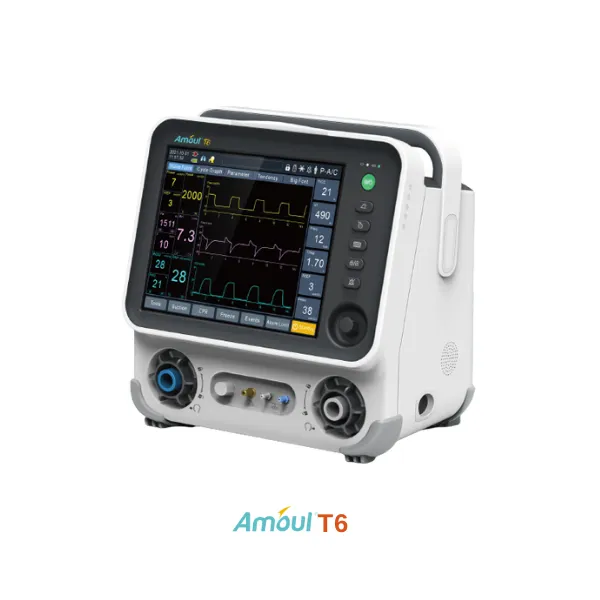
Ambulance and inter-hospital transfer: weight, battery life and independence from wall gas matter most. A turbine-driven ventilator generates its own airflow, so it does not need a compressed-air cylinder. The Amoul T6 and the Ventway Sparrow are both turbine ventilators that meet EN 1789, the European standard for road ambulances.
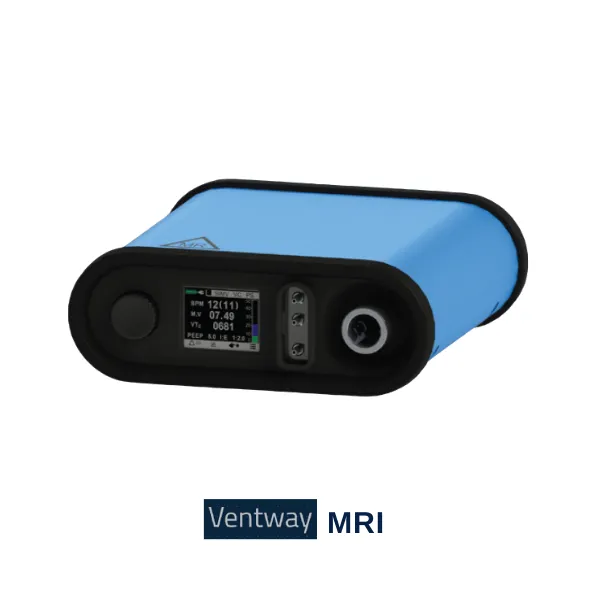
MRI suites: standard ventilators contain ferromagnetic parts and cannot be taken near the magnet. The Ventway Sparrow MRI is an MRI-conditional version of the Sparrow platform, so a ventilated patient can be scanned without changing devices. Always check the MRI conditions on the device label against your scanner's field strength.
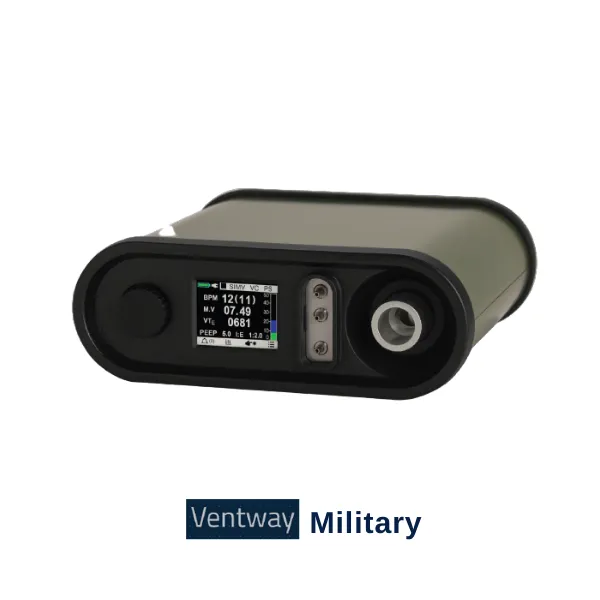
Field, disaster and military use: the Ventway Sparrow Robust adds military-grade shock resistance (MIL-STD) to the same 1.3 kg platform and is rated for use at altitudes up to 25,000 ft.
What to compare between models
Once the setting is clear, these are the specifications that separate one model from another:
- Ventilation modes. Volume control, pressure control, SIMV with pressure support and CPAP cover most adult needs. Some transport units add HFNC (high-flow nasal cannula) and a dedicated CPR mode for ventilating during chest compressions; the Ventway Sparrow offers both.
- Patient range. Check the minimum tidal volume and patient weight. The Ventway Sparrow covers adults and pediatric patients over 5 kg, with tidal volumes from 50 to 2,000 mL.
- Oxygen delivery. The FiO₂ range tells you how precisely oxygen can be set. The Sparrow delivers 21 to 95%.
- Power and gas. Turbine units run from an internal battery without compressed air. The Sparrow battery is rated for at least 4 hours.
- Standards. All of our ventilators carry IEC 60601 (electrical safety for medical devices). Transport models add EN 1789 for road ambulances, and the Sparrow also meets RTCA DO-160G for use on aircraft, EN 794-3 for emergency and transport ventilators, and IP45 for dust and water protection.
- Screen and alarms. ICU teams usually want waveforms and loops; ambulance crews want a screen that is easy to read on the move and alarms they can hear in a vehicle. Ask for a demonstration in your own setting before deciding.
Our ventilator range at a glance
- Ventway Sparrow (Inovytec): 1.3 kg turbine ventilator for EMS and transport. SIMV-VC-PS, SIMV-PC, CPAP, HFNC and CPR modes. EMS (orange) and Robust/MRI (olive) variants.
- Ventway Sparrow MRI (Inovytec): MRI-conditional version for use inside the MRI suite, in the same portable form factor.
- Ventway Sparrow Robust (Inovytec): military-grade rugged version, shock resistant to MIL-STD, for field and tactical medicine.
- Amoul 6000S: ICU ventilator with VCV, PCV, SIMV, CPAP and BiLevel modes and a touchscreen with waveforms.
- Amoul T6: ambulance and transport ventilator with turbine drive, no gas supply needed, EN 1789.
Every model supports adult and pediatric patients. For a step-by-step walkthrough, read our ventilator buying guide.
Installation, training and service
Thunder Venture Group delivers and installs ventilators across all 77 provinces of Thailand. Our in-house biomedical engineering team sets up each unit, trains your operators on site, and returns for annual safety and performance inspection. Calibration is traceable to manufacturer standards and documented at every visit, so your records are ready for audits. Our medical equipment calibration guide explains what that involves.
If you are planning a new ICU, an ambulance fleet upgrade or a transport team, send us your bed count, patient mix and current equipment. We will recommend a configuration and arrange a demonstration. We typically reply within 24 hours.
Patients who need non-invasive support at home are usually better served by CPAP and BiPAP devices, and most ventilated patients also need a patient monitor.