CPAP / BiPAP
4 models from Resvent
CPAP and BiPAP devices from Resvent for treating Sleep Apnea at home. Thunder Venture Group offers fixed CPAP, Auto CPAP (auto-titrating), and BiPAP (dual-level IPAP/EPAP). All models are quiet, compact, and include heated humidification for comfortable therapy.
All CPAP / BiPAPs
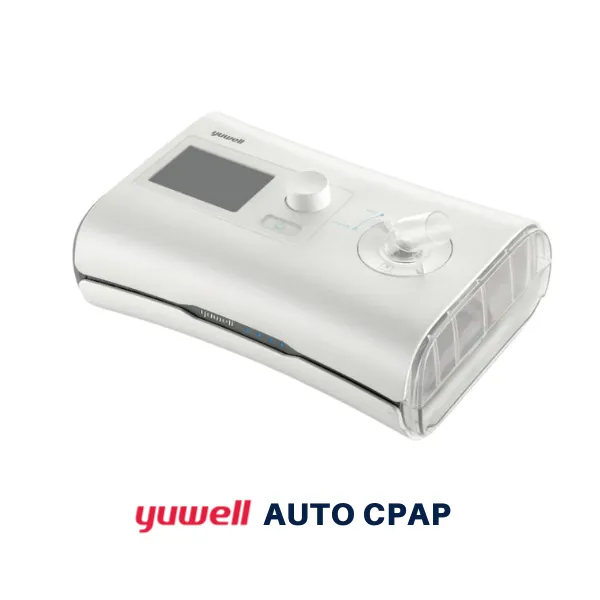
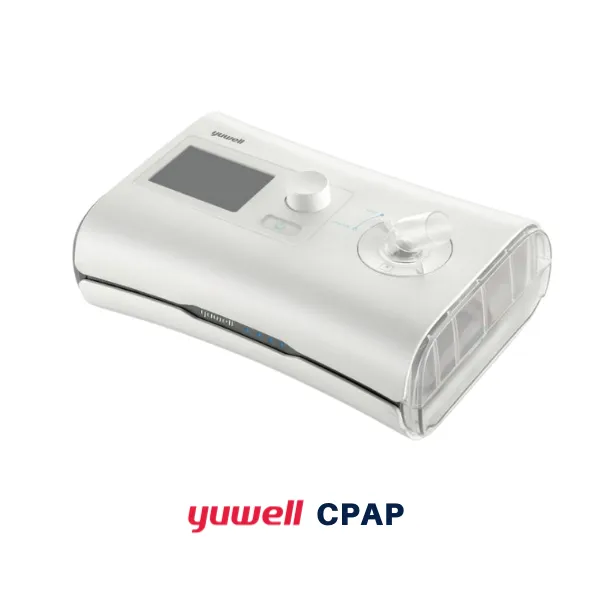
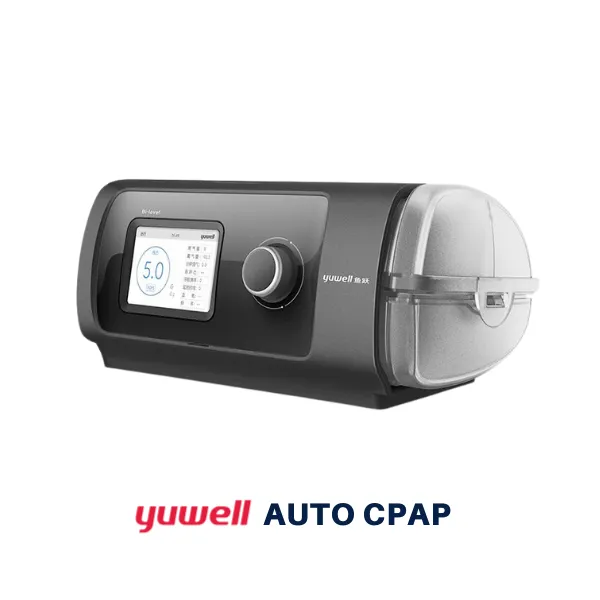
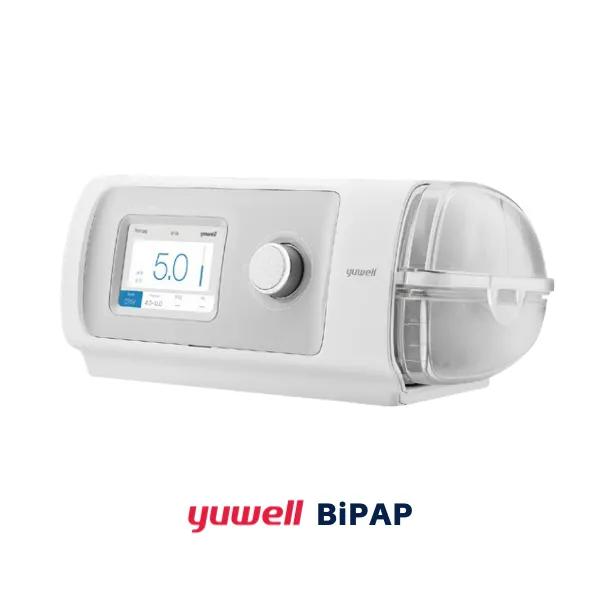
CPAP, Auto CPAP or BiPAP: which one?
All three types blow pressurised air through a mask to keep the airway from narrowing during sleep. The difference is how they manage that pressure. The choice of device and pressure settings should follow a doctor's prescription, usually based on a sleep study.
Fixed CPAP: delivers one prescribed pressure all night. Simple and easy to use, and a good fit once the required pressure is known.
Auto CPAP (APAP): adjusts pressure automatically within a set range as the user's breathing changes through the night. It suits people whose pressure needs vary with sleep position or sleep stage.
BiPAP: uses two pressure levels, a higher one when breathing in (IPAP) and a lower one when breathing out (EPAP), which makes exhaling easier. Doctors often choose it for patients who cannot tolerate CPAP pressure or who need pressure support. S/T mode adds timed backup breaths if the patient does not breathe enough on their own.
Our CPAP vs BiPAP guide covers the differences in more detail.
The Resvent range
- Resvent CPAP: fixed pressure from 4 to 20 cmH₂O, simple operation, quiet motor and a compact bedside design.
- Resvent Auto CPAP: auto-titrating from 4 to 20 cmH₂O with an integrated heated humidifier.
- Resvent Auto CPAP II: second-generation auto CPAP with an improved algorithm, SD card data logging and enhanced leak compensation.
- Resvent BiPAP: S/T mode with IPAP from 4 to 30 and EPAP from 4 to 25 cmH₂O, for home and ward use.
All models are CE marked.
Making therapy comfortable
Therapy only works if the device is used every night. The things that help people stick with it:
- A well-fitting mask. A loose mask leaks, gets noisy and loses pressure; one that is too tight hurts. Try different styles until one fits.
- Humidification. Dry air irritates the nose and throat, and a heated humidifier helps a lot.
- Usage data. Models that log data, such as the Auto CPAP II, let the doctor review hours of use and leak, then fine-tune the settings.
- Cleaning. Wash the mask, tubing and water chamber as the manufacturer instructs, and replace consumables on schedule.
If therapy feels uncomfortable at first, do not simply stop. Talk to the prescribing doctor about adjusting the settings.
For hospitals and home users
Thunder Venture Group supplies Resvent devices to hospitals, sleep clinics and patients at home. We help match the model to the prescription, explain set-up at handover and provide after-sales service, with delivery across all 77 provinces.
For patients who need more than non-invasive support, see our ventilators. Contact our team with the prescription and we typically reply within 24 hours.